Zoonotic Diseases in Ontario
Learn about other diseases from animals
Zoonotic diseases are infections that can be passed between animals and people. They may spread through direct contact with animals, bites, contaminated environments, or by handling food or water that contains germs. While many zoonotic diseases are uncommon, staying informed helps reduce risk and protect both human and animal health.
For a full list of reportable zoonotic diseases in Canada, visit: Reportable diseases: Terrestrial animals – inspection.canada.ca.
A–Z of zoonotic diseases
Bovine tuberculosis is a chronic bacterial infection in cattle caused by Mycobacterium bovis. Animals may carry the infection for years before showing signs, which can include coughing, fever, and weight loss.
Infected animals can spread bacteria through:
- Respiratory droplets and aerosols
- Feces
- Milk
- Occasionally urine, vaginal secretions, or semen
Humans can become infected by inhaling infectious droplets or consuming contaminated food or unpasteurized milk.
In Canada, bovine TB is a reportable disease, and the Canadian Food Inspection Agency (CFIA) manages cases through testing, quarantines and other control measures.
More information: Facts about Bovine Tuberculosis | inspection.canada.ca
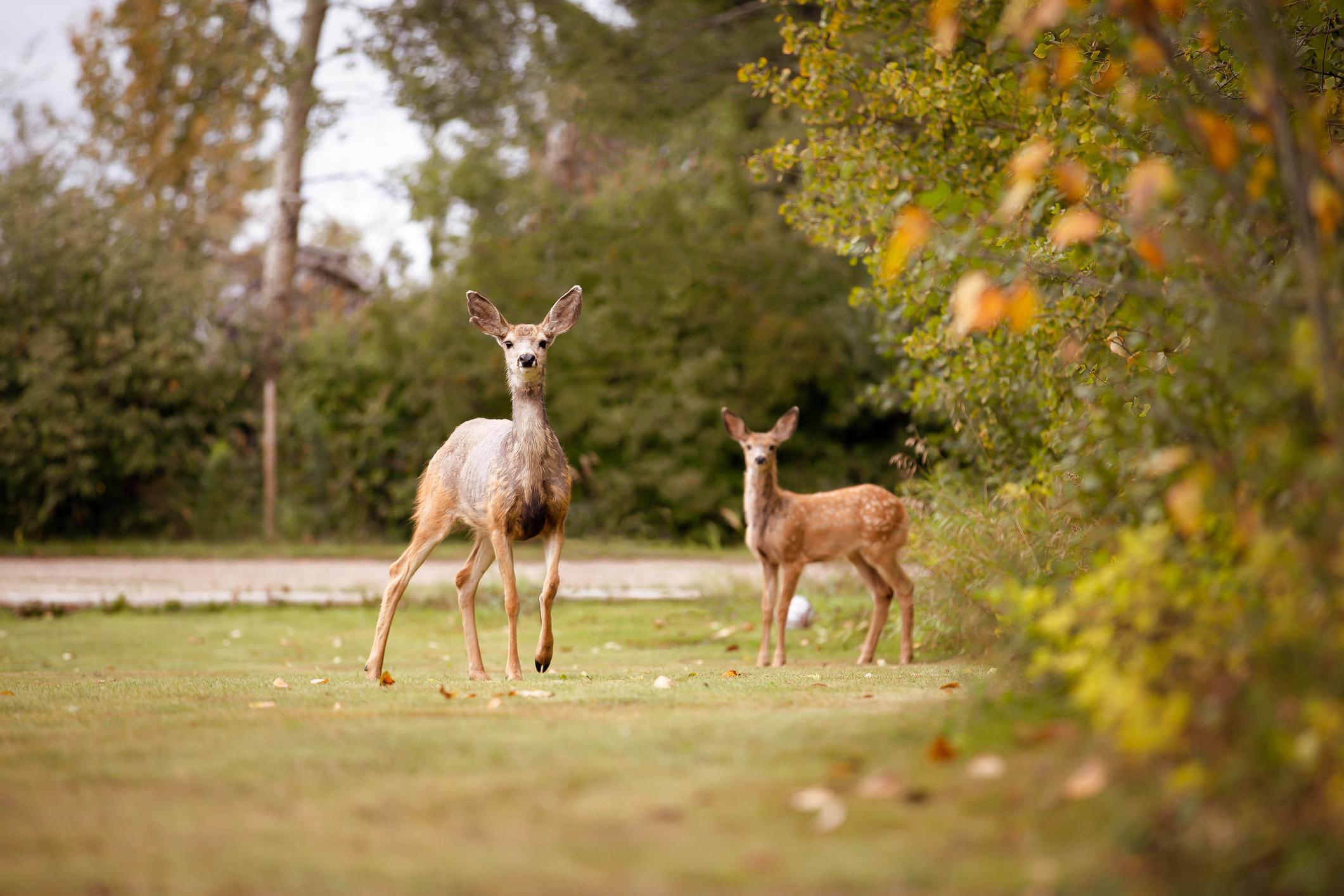
Chronic Wasting Disease is a fatal prion disease affecting members of the deer family, including deer, elk, and moose.
It spreads through:
- Direct animal-to-animal contact
- Contaminated environments (prions can persist for years)
Signs in animals may include significant weight loss, unusual behaviour, and severe neurological decline.
There is currently no evidence that CWD infects humans, but people should avoid consuming meat from infected animals. Ontario has surveillance and response measures to help prevent CWD from becoming established.
More information:
Echinococcus multilocularis is a small tapeworm carried by wild canids such as foxes and coyotes. The parasite spreads through their feces. Dogs—and rarely cats—can become infected by eating rodents that carry the parasite.
Humans can become infected by accidentally ingesting parasite eggs from contaminated soil, food, or water. This can cause alveolar echinococcosis (AE), a serious disease that leads to slow-growing cysts in the liver and can be life-threatening if untreated.
EM has been detected in Ontario since 2012, with evidence of growing spread in wild animals.
How to reduce your risk:
- Wash hands after being outdoors or handling pets
- Limit contact with wildlife feces
- Deworm dogs regularly if they may encounter rodents or wildlife
More information: Echinococcosis | WHO
HPS is a rare but serious respiratory illness caused by hantaviruses carried by certain rodents, especially deer mice.
People become infected by inhaling dust or droplets contaminated with rodent urine, droppings, or saliva—often during cleaning or sweeping activities that disturb these materials.
Symptoms usually begin 1–5 weeks after exposure and may include:
- Fever and chills
- Headache
- Muscle aches
- Cough and shortness of breath
- Severe breathing difficulty (in advanced stages)
HPS is rare in Canada (about three cases per year) but can be fatal. There is no specific treatment or vaccine.
How to reduce your risk:
- Prevent rodents from entering homes
- Store food securely
- Clean rodent-affected areas safely (avoid dry sweeping or vacuuming)
- Use gloves, an N95 mask, and eye protection during cleanup
- Use wet cleaning methods and disinfect thoroughly
Seek medical attention if you develop symptoms after possible rodent exposure.
More information: Hantaviruses | Canada.ca

Animal Exposures and Rabies

Tick-borne Diseases